
Renewable Energy
THE ADVANTAGES OF
CHyP® TECHNOLOGY
The Cellulose-to-Hydrogen Power (CHyP®) pyrolysis unit is at the heart of all Proton Power’s patented renewable energy systems. It is what sets us apart from all other pyrolysis or gasification systems. The bottom line is that our CHyP units are different and better because they operate at 1100C – which is at least 500C hotter than almost all other pyrolysis/gasification systems. It is this high temperature operation that facilitates the formation of the very special products that PPI systems can produce in a reliable, economical, and environmentally responsible manner.
![[CHyP THUMB] (1)](https://protonpower.com/wp-content/uploads/2024/09/CHyP-THUMB-1-1024x578-674x381.png "[CHyP THUMB] (1)")
CELLULOSE TO HYDROGEN POWER – THE BIG DIFFERENCE
- Our patented units operate at 1100° C
- Most other commercial units operate between 400°-600° C
- Chemical reactions happen one trillion times faster at such extreme temperatures, producing a higher quality synthetic gas (syngas)
- Feedstocks are conveyed through hot zones via auger tubes
- All feedstock gets heated consistently at uniform temperatures, meaning a consistent, predictable output
- Auger tubes are heated by radiant heat
- Heat gets transferred at an exponentially faster rate
- All feedstock gets heated quickly and thoroughly for consistent yields
- Six zones of temperature control
- Tight temperature control is maintained throughout the entire process, for precise performance optimization
- Patented “RECAPTURE” technology
- Syngas gets passed through incoming feedstock to preheat it. In turn, the feedstock acts as a filter to remove tars and particulates from the syngas
energy applications
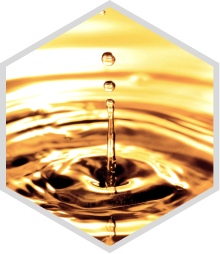
Diesel
Proton Power’s diesel system uses our proprietary CHyP® pyrolysis units to make REAL diesel fuel directly from renewable feedstocks.
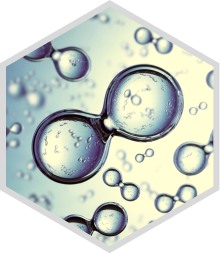
Hydrogen
Our proprietary technology makes green hydrogen. Plus, we’re able to optimize the performance of our CHyP® units to produce the right amount of hydrogen for your needs.
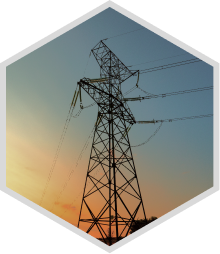
Electricity
Our CHyP® pyrolysis units can also make electricity, using the same feedstocks as our diesel and hydrogen products.
OVER 150 DIFFERENT FEEDSTOCKS TESTED

WOODY
WASTE
ENERGY
CROPS
MUNICIPAL
SOLID WASTE
PLASTICS
(6 OF 7)
BUILDING
DEBRIS
RAILROAD
TIES
Biomass Successfully Tested for CHyP®
- Miscanthus
- Green Urban Waste – YardTrimmings
- Palm Fronds
- Bagasse
- Cedar
- Red Oak
- Spruce
- Lint
- Mixed Paper
- Switchgrass
- Cotton Gin Trash
- Palm Kernel Shells
- Pine Bark
- Grass Hay
- White Oak
- Poplar
- Bamboo
- Corn Stover
- Railroad Ties – Borate, Creosote, and Qnap Coatings
- Municipal Solid Waste – compost and Autoclave
- Hickory Virginia Pine
- Mesquite
- Flooring Waste – Hardwoood
- Flooring and Nylon Carpet
- Wood Pellets
![[SYSTEM DIAGRAM]](https://protonpower.com/wp-content/uploads/2024/09/SYSTEM-DIAGRAM.png "[SYSTEM DIAGRAM]")
NEED MORE CAPACITY? JUST ADD MORE MODULES.

MODULAR DESIGN MEANS…
- Greater flexibility
- Systems can be sized to meet your needs
- Start small and grow as you go
- Greater reliability
- Time-tested design
- Simple design means no need to scaleup components
- Faster products
- No need for customized components for each project
Tens of thousands of hours of successful operation

For more resources and information about Proton Power’s renewable energy technologies and products, please visit our DOWNLOADS page.